
We’ve Had Our Willets Split!
Whilst this sound like some sort of medieval torture, it is in fact, good news, and news that we have anticipated for a long time.
Finally, after years of prevaricating it is official, the ’western’ and ‘eastern’ willets have been declared as full species to be known as Prairie Willet Tringa inornata (western) and Saltmarsh Willet Tringa semipalmata (eastern). I rather like the decision to not name them eastern and western as that is a little boring, we have so many examples of this elsewhere already.
So, with Wader Conservation World Watch coming up this weekend, if you live in the Western Hemisphere and you see a willet, try to identify which one
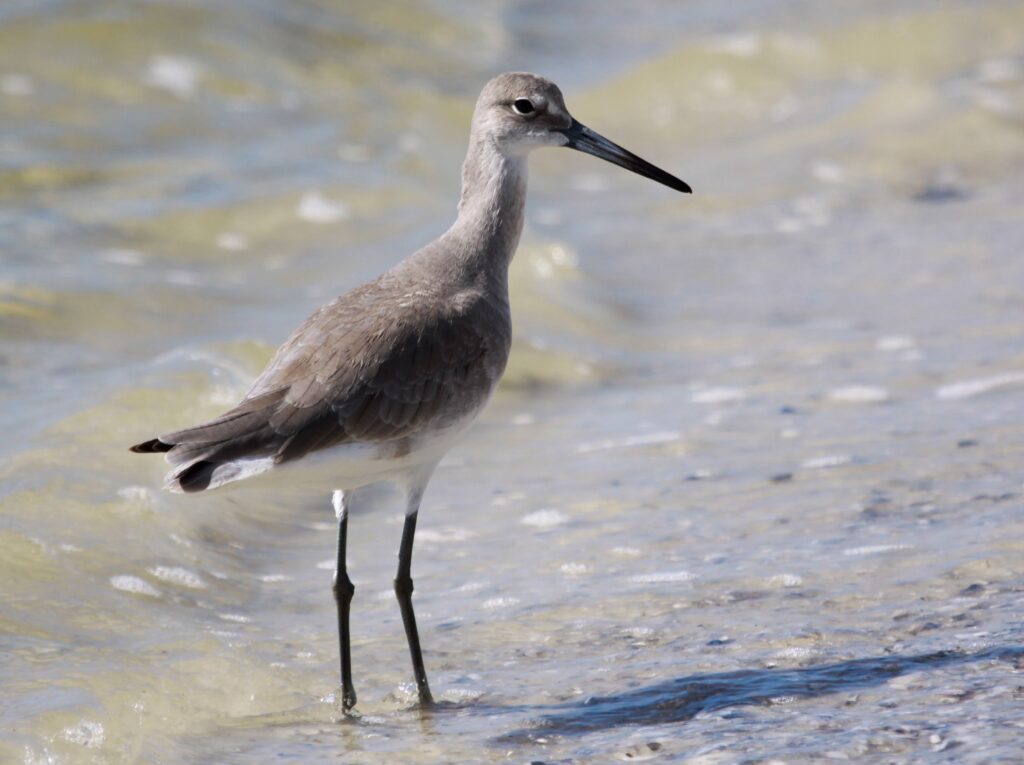
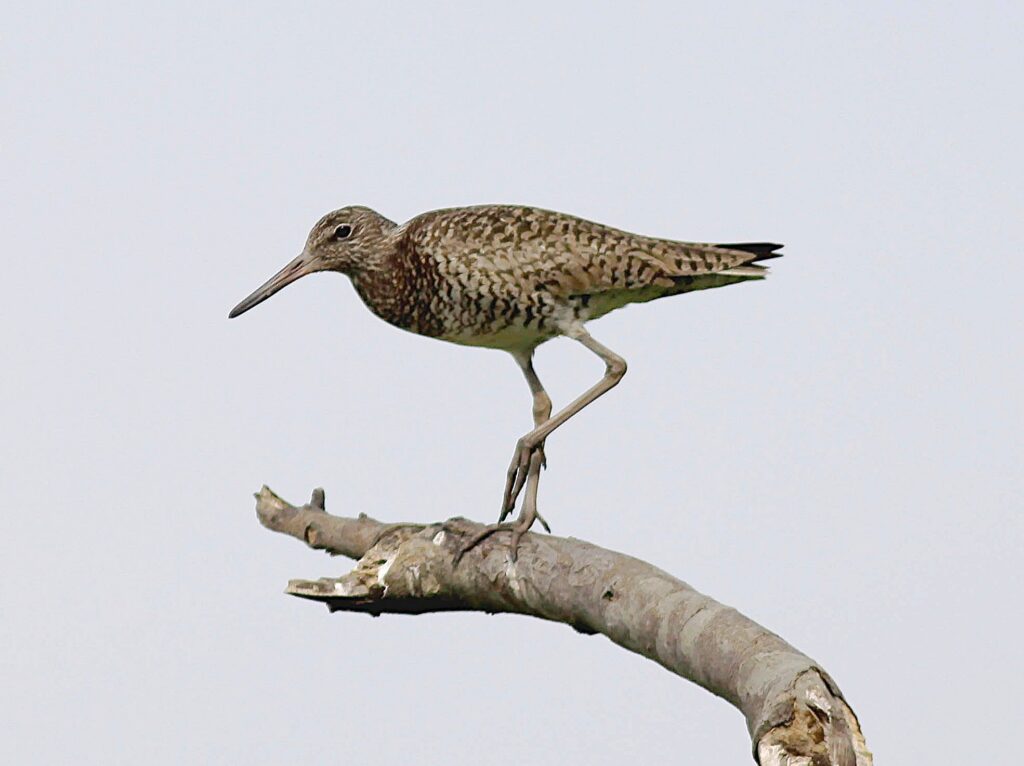
If you are in the USA it is probable, at this time of year, that your bird will be a Prairie since all Saltmarsh Willets leave the country for the Caribbean and Central and South America. However, in those regions it is also possible to see Prairie Willet, so how do you tell?
To be honest it is not always straightforward, and some may be nigh on impossible to tell apart at this time of year. But look at the size, shape and bill structure.
SIZE: Prairie averages 10% larger than Saltmarsh. Females are larger than males and a large female Saltmarsh can be as big as a small male Prairie. That said, birds at these extremes tend to be distinctive. Prairie is about the size of a Hudsonian Godwit, whereas the Saltmarsh is more Greater Yellowlegs size.
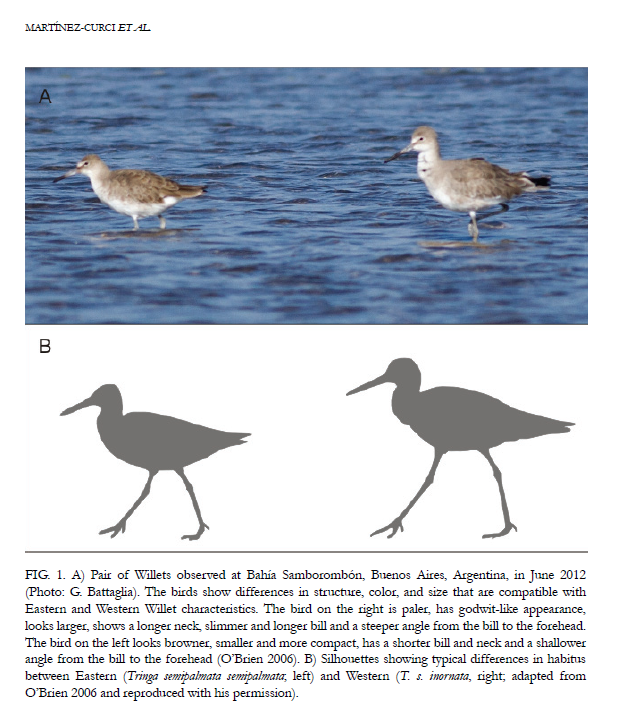
SHAPE: Prairie Willet appears sleeker, longer-necked and longer-legged making it appear more graceful and godwit-like. Eastern are more compact, shorter-legged, shorter-necked and shorter-bodied. The angle where the forehead meets the bill is less pronounced in Saltmarsh Willet.
BILL STRUCTURE: Eastern’s bills are generally shorter and stouter than Prairie with a heavier tip and often a slight droop with a slight angle at the gonys, Prairie’s bill are longer, straighter and straighter edged.
Here is a helpful screenshot from a paper we were involved in writing concerning the identification of willets in south-eastern South America.
Good luck finding all species of wader/shorebird this weekend, we hope you have a fantastic time looking for them and remember you will be standing up to be counted among those that say ‘I care!’ about waders, their conservation and saying thank you to all those involved in their protection and preservation.