
Wader Conservation
Why are wader species in need of conservation?
The Need for Wader Conservation
It is a sobering thought that seven species of wader have become extinct and that a further five are listed as critically Endangered in the IUCN Red List of Threatened Species. As it is with much of our global fauna and flora, conservation projects are vital if we are to halt the decline of our waders.
In addition to the seven species already listed as extinct: Kiritimati Sandpiper; Moorea Sandpiper; Tahiti Sandpiper; Canary Island Oystercatcher; Javan Lapwing; North Island Snipe; and South Island Snipe, the Eskimo Curlew is also thought to have succumbed to the same fate.
Of the species listed as Critically Endangered the figures paint a grim picture:
- Southern Red-breasted Plover: estimated population in 2017, 60-80 and declining.
- Jerdon’s Courser: estimated population in 2000, 50-249 and declining (probably extinct).
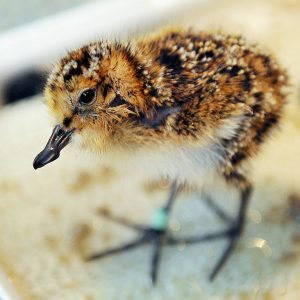
- Spoon-billed Sandpiper: estimated population in 2016, 240 to 456 and declining.
- Slender-billed Curlew: estimated population 1-49 in 2012 and declining (probably extinct).
- Plains-wanderer estimated population 250-999 in 2000 and declining
Source: BirdLife International

Conservation is critical if we are to safeguard our waders

Waders face a number of threats including habitat loss, hunting and loss of food supply. Fortunately, there are a number of excellent organisations, study groups and individual projects working hard to protect waders and their habitats. You can learn about some of these in the ‘Current Conservation Efforts’ sections of the species pages in the wader directory.
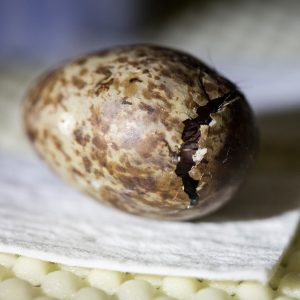
A variety of methods, such as Tracking, Captive Breeding and Headstarting, are being used as well as Monitoring that inform conservation efforts on a global basis. Wader Quest plays a part in this through raising much needed funds for projects and raising awareness about the plight of our waders.
If you have a project that needs support, we may be able to provide financial support through out Grant funding process – tell us more about your plans, and we will let you know
What is Community Wader Conservation?
Most of us are familiar with the concept of Citizen Science where ordinary folk can contribute to science simply by sending in our birding records. Well, Community Conservation is like the conservation wing of Citizen Science where ordinary folk do what they can, on a local level, to secure the future of the wildlife around them. We are obviously advocates of wader conservation and so we promote and support wader conservation in particular where local communities and individuals complement the marvellous work larger conservation organisations carry out.
Some examples of Community Wader Conservation.
In its simplest form community conservation can be helping birds and animals find food and somewhere to breed or hide in your own back garden. Slightly larger projects run by local groups working to manage local reserves or wild places are obvious inclusions. A very fine and large example would be the network of Wildlife Trusts across the UK or RSPB local groups that get involved in conservation and all working on a local basis. Community Wader Conservation is the same principle but for projects that involve wader species.
In other parts of the world there are some great examples. As close as the Netherlands local people do voluntary work with farmers to ensure that a greater number of chicks of meadow nesting birds such as Black-tailed Godwit, Northern Lapwing, Common Redshank and Eurasian Oystercatcher survive the mowing season each year; in the USA a similar scheme finds communities helping the Mountain Plover, one even having a festival to celebrate the fact and in Australia the Hooded Plover is a beneficiary of such conservation work where hundreds of volunteers spend whatever time they can protecting local beach nesting birds.
“They”
“They have set up a captive breeding programme.” In this case “they” refers to a large conservation organisation of which there are a number that do wonderful work on a large scale to protect and conserve the world’s wildlife. However, the sheer size of these organisations often means that localised problems cannot be addressed for purely administrative and logistical reasons; this is where “they” needs to become “we”. “They” will not be able to do anything to protect your local lapwings, plovers and godwits, not due to a lack of interest or concern or a conscious decision that their plight is unimportant “they” simply can’t be everywhere at all times; but “we” can. Ordinary folk like you and me can make a difference by defending the small, forgotten, overlooked and ‘nonviable’ pockets of conservation concern.




The cumulative effect.
When the planning of building and expansion projects takes place, it is hoped that some sort of assessment of the impact on wildlife will be part of that process. This assessment often has a statistical element which can mean that some awful decisions are made purely because the number of individuals in any case is small. An example of this could be the Northern Red-breasted Plover, an endangered species in New Zealand. They nest at low density with often just one or two pairs on any given beach. In assessing the impact of development, the decision makers are presented with very small numbers. They therefore often do not see the bigger picture and another pair of Northern Red-breasted Plovers can lose its breeding habitat at the stroke of a pen. In itself this may be insignificant, but if this happens time and time again, as it does, on many beaches along a stretch of coast, each project being assessed individually, the cumulative effect can be devastating to a species and can propel them in the direction of local, national and even global extinction.
However, there is a positive side to this theory too and that is that if we all preserve just a small piece of wildlife habitat, together we can make a significant difference. ‘If a place has something living in it, it is worth saving’ is the attitude to take, never be drawn into the illusion that just one or two individuals cannot make a difference.
Examples of the cumulative effect in action are what has happened with both the Piping Plovers in North America and the Hooded Plovers in southern Australia. In 1991 the Piping Plover was heading for extinction and was Vulnerable, since then many people have put in many hours of time and effort on their local beaches and now the risk to this bird is considered to be just Near Threatened; not perfect, but certainly a good result. Likewise the breeding success rate of the Hooded Plover was at a dismal 5%, clearly not viable for the species which was declining fast. This rate now stands at 50% which is pretty good for a ground nesting bird, again due to local people looking after ‘their’ plovers. Volunteers and professionals alike have taken ownership of their local bird populations and have been working to help these birds survive the perils that nature and mankind throw at them. In many cases this will involve just one pair at any given beach or tract of suitable habitat but that place will be given the full power of the conservationists abilities as every pair saved that manages to breed is a major success. Along with the other individuals and pairs that have been helped the overall effect of each success is fantastic.
But what can I do? I don’t have any waders near me!
We are aware that not everyone lives near farmland, the coast or other suitable wader habitat. To those of you who fall into this category who would love to help and be part of this growing concern for wader conservation we say that you can still play a part. You can do this by helping and supporting others who can, and do, get directly involved. This is what Wader Quest has been set up to do. By joining Wader Quest, your membership will be used to help others who are able and willing to roll up their sleeves but may be in need of some help with equipment, signs, and other items to help them in their work.